Clamence–Du Guesclin relation
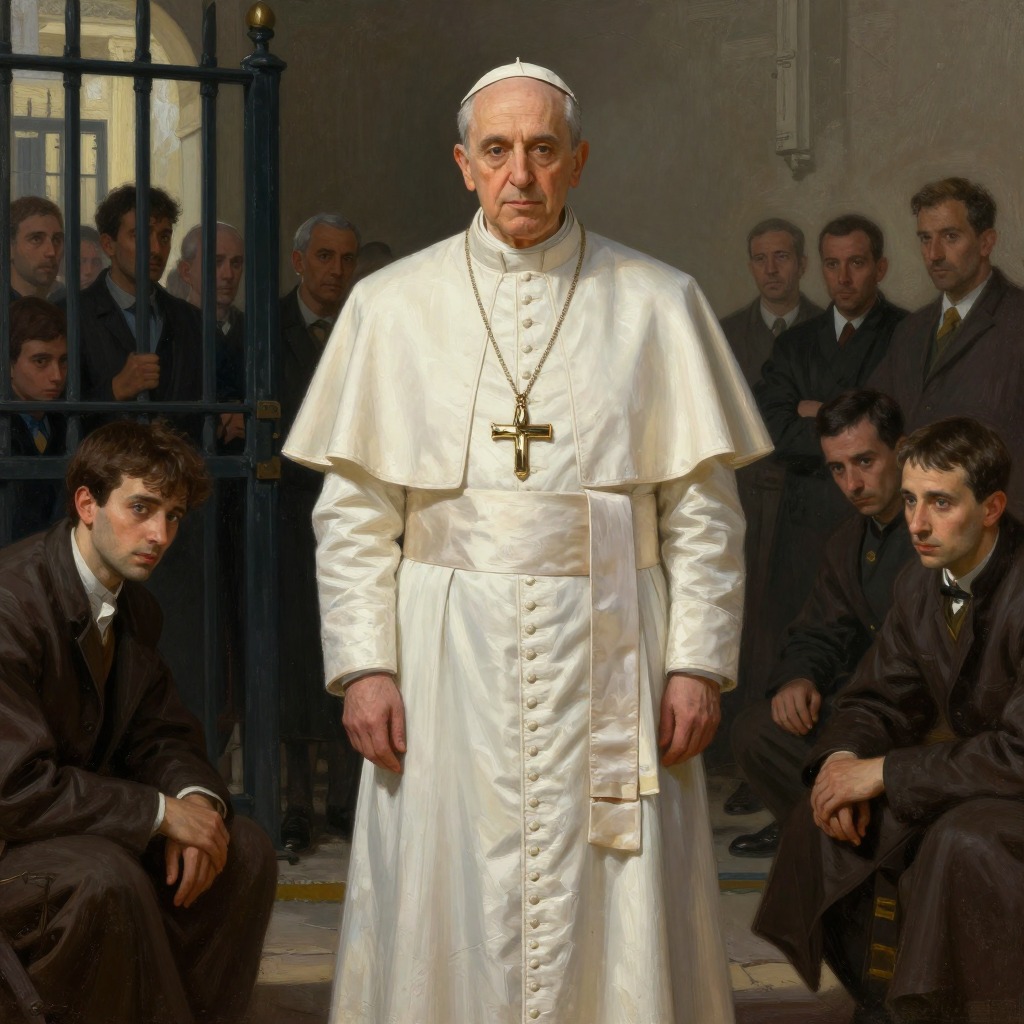
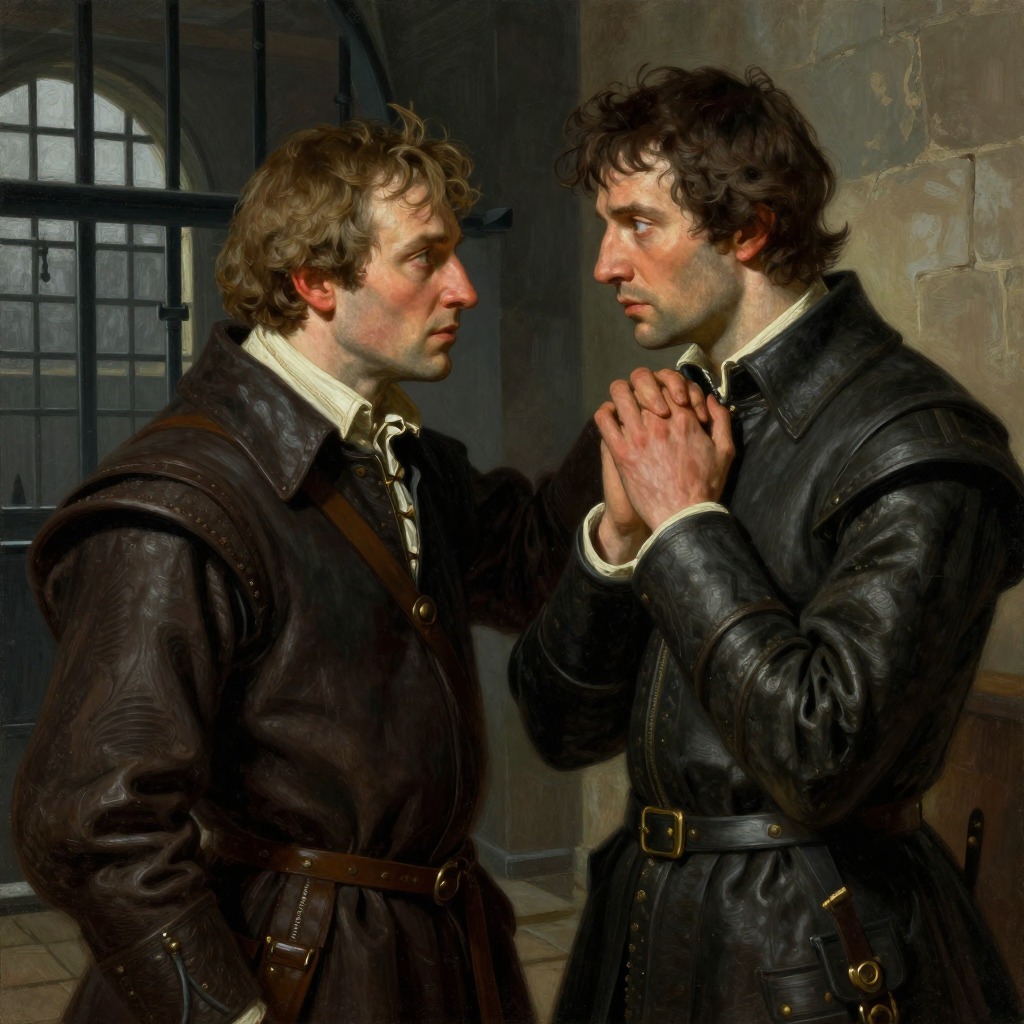
The Clamence–Du Guesclin relation is the most consequential human connection in Jean-Baptiste Clamence's adult life, forged in the extremity of a prison camp near Tripoli during World War II. It is through this bond that Clamence first experiences the paradox of authority and guilt that will later define his entire self-understanding. The young man known only as Du Guesclin—a type, Clamence says, of the medieval French constable Bertrand du Guesclin—is a Catholic believer who has crossed from France into Spain to fight, been interned by the Catholic general Franco, and then landed in North Africa, where the sun and his reflections have somewhat unhinged him. In the camp, under a tent that seems to drip molten lead, surrounded by flies and the heat, Du Guesclin declares the need for a new pope who should live among the wretched instead of praying on a throne. He asks the group to choose a complete man with his vices and virtues, on the sole condition that he agree to keep alive the community of their sufferings. When he asks who among them has the most failings, Clamence, as a joke, raises his hand and is the only one to do so. Du Guesclin declares that nominating oneself presupposes the greatest virtue and proposes electing Clamence. The others agree, in fun but with a trace of seriousness. Clamence exercises his pontificate for several weeks with increasing seriousness, acting as a group leader or secretary of a cell. The others, even those lacking faith, get into the habit of obeying him. The big problem in the camp is the water allotment, and Clamence is led to favor his comrades, making distinctions according to their condition or the work they have to do. He closes the circle the day he drinks the water of a dying comrade, convincing himself that the others need him more than this fellow who is going to die anyway and that he has a duty to keep himself alive for them. Du Guesclin himself, Clamence believes, is already dead by then, having stinted himself too much. Clamence says he loved Du Guesclin, or so it seems to him. The episode becomes a key memory that Clamence later uses to illustrate his discovery that empires and churches are born under the sun of death, and that one must forgive the pope, because he needs it more than anyone else and because that is the only way to set oneself above him. The relation thus encapsulates the core dynamic of Clamence's later profession: the assumption of guilt and authority through the confession of one's own failings, and the paradoxical elevation that comes from accepting the burden of others' suffering.